
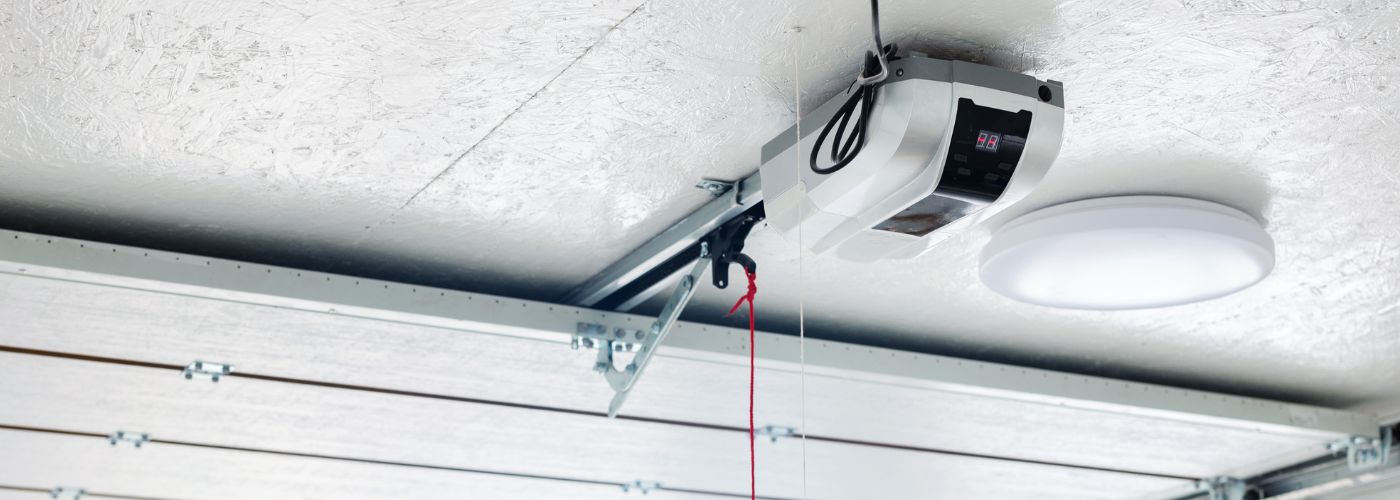
A garage door remote can work perfectly one day and suddenly fail the next, leaving you stuck outside or wondering whether something is wrong with the entire system.
There are several reasons a remote can lose its ability to control the door, and this article goes over the common issues that can cause the problem and what they may mean for your opener.
Causes For The Garage Door Remote Not Working
When a garage door opener remote stops working, the cause is not always obvious from the outside. The problem can come from something as simple as a weak battery or from an issue involving the opener, receiver, or communication between different parts of the system.
Looking at how the remote behaves can provide useful clues about where the problem is coming from. There are also several other common garage door failures that can create similar symptoms, so checking the full system can help separate a remote problem from a larger issue.
For example, a remote that only works when you stand close to the garage may have a different problem than one that does absolutely nothing. It is also helpful to check whether a second remote or the wall-mounted control still operates the door.
Comparing how each control works can help narrow down the problem before you assume that the garage door opener itself needs to be replaced. Taking a few minutes to observe these differences can make troubleshooting much easier.
Weak or Dead Remote Batteries
Batteries are one of the most common reasons a garage door opener remote stops working without much warning. A remote needs enough battery power to send a clear signal to the opener.
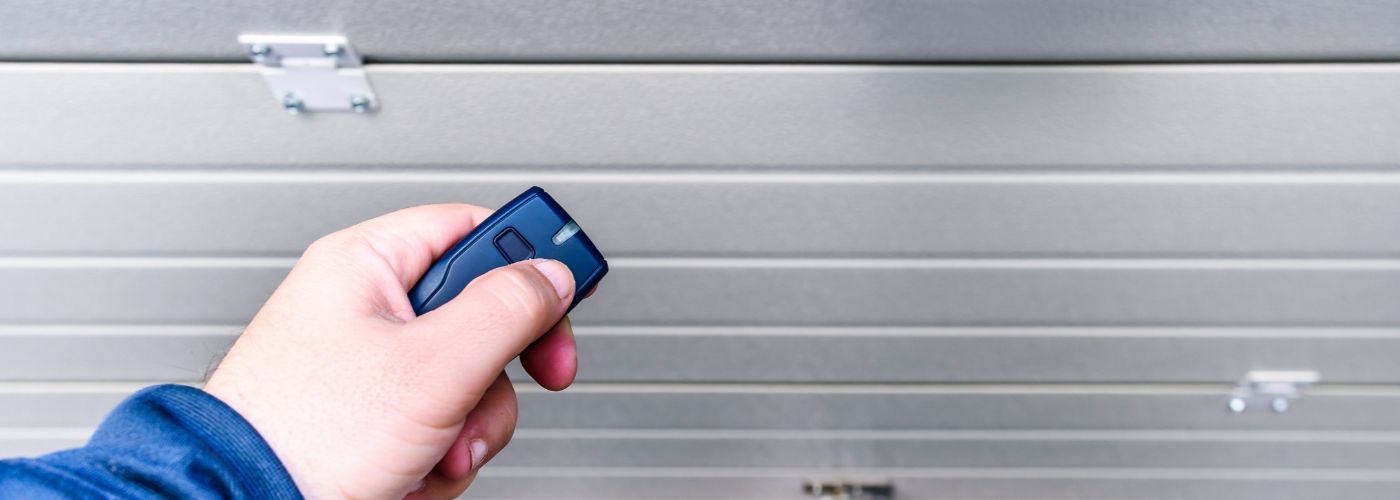
As the battery becomes weaker, the remote may still appear to work normally at times, but its range can slowly decrease. You might notice that you have to press the button more than once or move closer to the garage before the door responds.
A battery can also lose power faster because of age, temperature changes, or frequent remote use.
Replacing an older battery is a simple first troubleshooting step because it can rule out one of the easiest problems before you spend time checking other parts of the system. When installing a new battery, make sure it is positioned correctly and that the battery contacts inside the remote are clean and secure.
Signal Interference From Nearby Devices
Garage door remotes communicate with openers through radio signals, which means other electronic devices can sometimes interfere with that connection.
When signal interference is the reason a garage door opener remote stops working, the problem may seem random. The remote could work normally at certain times and then suddenly have a much shorter range or fail to operate the door at all.
Interference can come from nearby electronics, lighting products, wireless equipment, or other devices that produce radio-frequency noise. Even a recently installed device inside or near the garage could affect remote performance. Homeowners dealing with an older system can also learn about the best types of garage door openers and the different features available in newer opener designs.
If the problem started shortly after adding new electronics, unplugging those devices temporarily may help identify the source. A sudden change in remote range can be an important sign that the issue is related to the surrounding signal environment rather than damage to the remote itself.
Lost Programming Between the Remote and Opener
A garage door remote has to be programmed so the opener recognizes its signal. In some situations, that programming can be lost or changed, which means pressing the remote button will no longer activate the door.
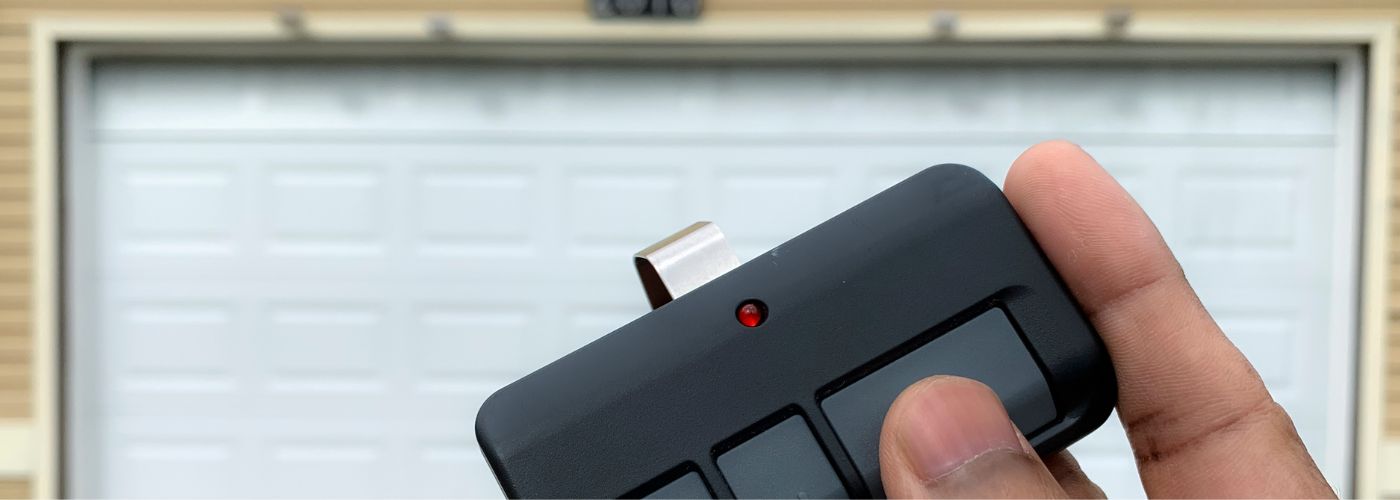
This can happen after electrical work, changes to the opener’s settings, certain power interruptions, or an accidental reset. When programming is the reason a garage door opener remote stops working, replacing the battery usually will not solve the issue.
If the opener still responds normally to the wall control but refuses to respond to a remote with a fresh battery, checking the remote’s programming can be a useful next step.
The exact programming process depends on the opener’s brand and model. Many systems use a learn or program button on the opener unit, but the correct sequence can vary, so following the manufacturer’s instructions is important. For additional guidance, homeowners can review how to program a clicker garage door opener and understand how the remote connects with the opener.
Worn or Damaged Remote Buttons
A remote can develop physical wear after years of daily use. The buttons are pressed hundreds or even thousands of times, and the small components underneath them can eventually wear down.
If a garage door opener remote stops working only when you press a certain button, or the button feels loose, stuck, unusually soft, or difficult to press, physical wear may be responsible.
Damage is not always visible on the outside of the remote. Dropping it onto concrete, leaving it in extreme heat, exposing it to moisture, or allowing dirt to collect around the buttons can affect the internal components.
A remote that requires harder or repeated button presses is often showing signs of a physical problem that a new battery cannot correct. In these cases, replacing the remote may be more practical than continuing to rely on a control that works inconsistently.
Problems With the Garage Door Opener Receiver
The remote is only one side of the communication process. The garage door opener also contains a receiver that has to detect and recognize the signal being sent by the remote.
If there is a problem with the receiver, a garage door opener remote stops working even when the remote itself has a good battery and is properly programmed.
Receiver trouble may be more likely when several remotes begin experiencing the same problem at roughly the same time.
Checking other controls can help separate a receiver problem from a single faulty remote. If the wall-mounted control continues to operate the garage door but multiple wireless remotes do not, the wireless receiving side of the opener may need closer inspection.
Problems can sometimes involve the opener’s antenna, internal electronics, wiring, or another component responsible for receiving signals.
Because the receiver is part of the opener system, diagnosing internal faults can be more involved than replacing a remote battery or reprogramming a control. A professional garage door opener inspection can check remote and keypad response along with other parts of the opener system.
When multiple working remotes suddenly stop communicating with the same opener, having the opener inspected can prevent unnecessary replacement of remotes that are not actually causing the problem.
A garage door professional can test the system, identify the failing component, and determine whether a repair or replacement is the better solution.
