
Hearing unusual sounds every time your garage door opens or closes can be frustrating and may indicate that something needs attention.
This article explains how to diagnose garage door noise by identifying common causes, inspecting important components, and understanding when professional repairs may be the safest option.
Finding Where Garage Door Noises Come From
When trying to diagnose garage door noise, the first step is paying attention to exactly when the sound occurs. Listen carefully as the door begins moving, reaches the middle of its travel, and finally closes.
Different sounds often point to different parts of the system, making it easier to narrow down the source before any repairs are attempted.
Taking time to identify the location and type of sound often prevents unnecessary garage repairs and helps focus on the actual problem. A grinding sound may come from worn rollers, while rattling could indicate loose hardware.
Squeaking often suggests dry moving parts, and loud banging may signal a more serious issue involving the springs or opener. Understanding these differences makes inspections much more effective.
Inspect the Rollers for Signs of Wear
Rollers guide the garage door along the tracks every time it opens and closes, so worn or damaged rollers often create squeaking, clicking, or grinding sounds.
Steel rollers without proper lubrication can become especially noisy, while cracked nylon rollers may wobble and create uneven movement during operation.
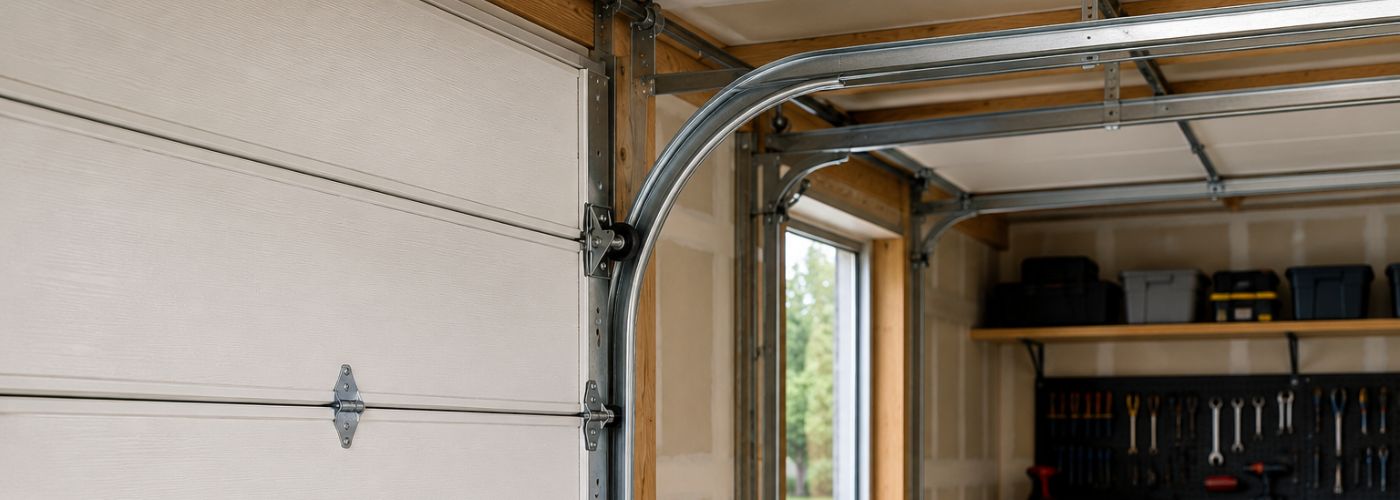
Examine each roller for flat spots, cracks, excessive play, or signs that the bearings are wearing out. Dirt buildup can also interfere with smooth rolling and increase friction.
Replacing worn rollers before they completely fail can improve door performance and help protect other components from unnecessary strain.
Keeping rollers clean and properly maintained allows the door to move more quietly and consistently.
Check The Garage Door Opener for Vibrations
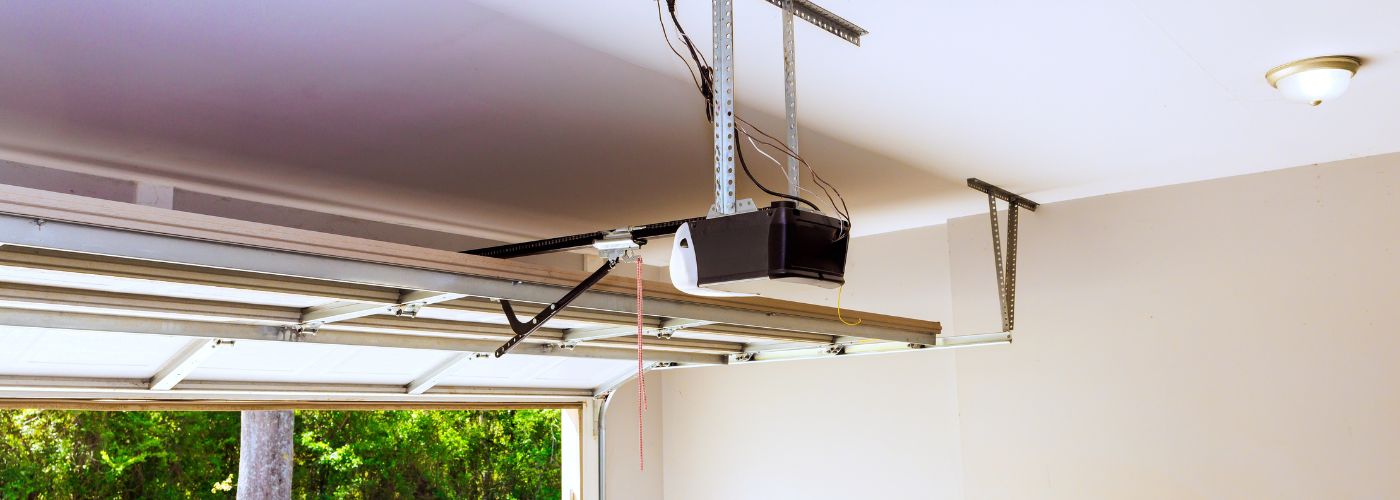
The opener is one of the first components to inspect when diagnosing garage door noise because it contains a motor, gears, mounting brackets, and moving parts that work together every time the door operates.
If the opener has become loose over time, vibrations can travel through the ceiling and walls, making the sound seem louder than it actually is.
Look at the mounting bolts and brackets that secure the opener to the ceiling. Tighten loose fasteners if appropriate and inspect rubber vibration isolators if your system has them.
A securely mounted opener typically runs more smoothly while reducing unnecessary shaking throughout the garage. If the motor itself sounds unusually loud or struggles to lift the door, professional servicing may be needed before additional damage occurs.
Examine the Tracks for Damage
The tracks provide the path that the rollers follow, so even small dents or bends can create loud noises during operation.
If the tracks become misaligned, the rollers may rub against the sides instead of moving freely, causing scraping or popping sounds each time the door moves.
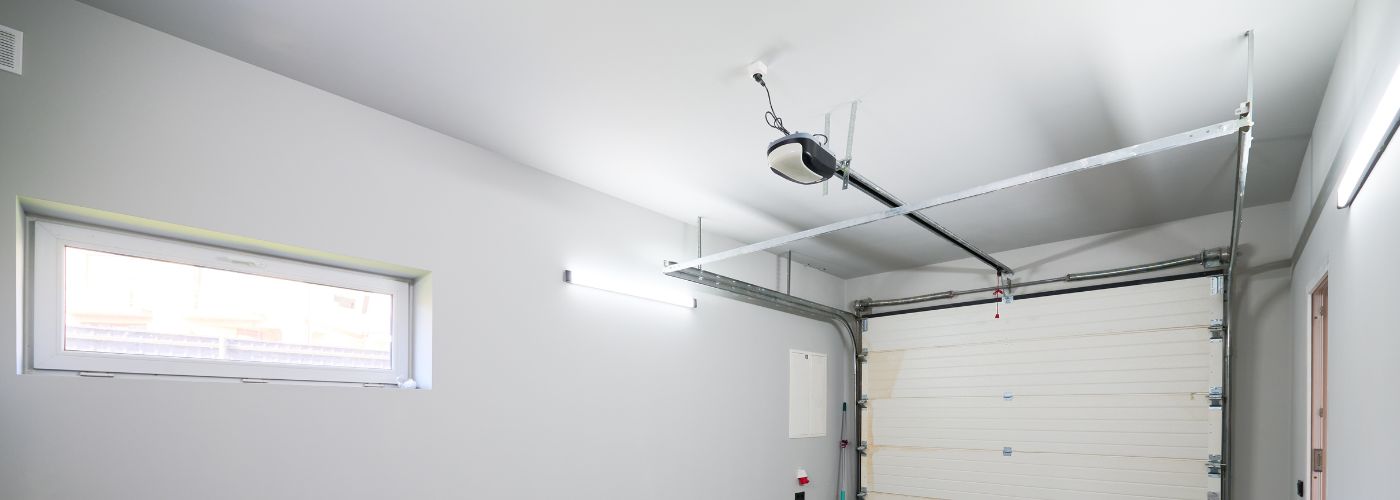
Inspect both vertical and horizontal track sections from top to bottom. Look for visible dents, loose mounting brackets, or areas where the tracks appear uneven.
Even minor track problems can gradually place additional stress on the entire garage door system if ignored.
Addressing alignment issues early helps maintain smooth operation and reduces wear on rollers, hinges, and other moving parts.
Look at the Springs for Rust or Deterioration
Garage door springs carry much of the door’s weight, making them one of the most important components in the entire system.
As springs age, they may develop rust, corrosion, or weakened metal that creates creaking, popping, or snapping sounds during operation. These warning signs should never be ignored because damaged springs can become dangerous if they fail.
Visually inspect the springs without attempting to adjust or repair them yourself. Look for rust, gaps in the coils, uneven stretching, or obvious signs of damage.
Springs operate under extremely high tension and should always be serviced by trained professionals when problems are found. Regular inspections can identify early wear before complete spring failure causes more expensive repairs.
Examine the Tracks for Debris & Damage
While dents affect track performance, debris inside the tracks can also create unexpected noises. Leaves, dirt, small stones, spider webs, and other materials may collect over time, causing the rollers to bump against obstructions instead of moving smoothly.
Even small amounts of buildup can produce noticeable clicking or grinding sounds.
Use a clean cloth or soft brush to remove dirt and debris while checking for rust or surface damage inside the tracks. Avoid applying heavy grease to the tracks because it can attract additional dirt and make buildup worse.
Keeping the tracks clean allows the rollers to travel smoothly and helps extend the life of the entire garage door system.
Routine cleaning combined with regular inspections can greatly reduce unnecessary operating noise and improve overall performance.
