
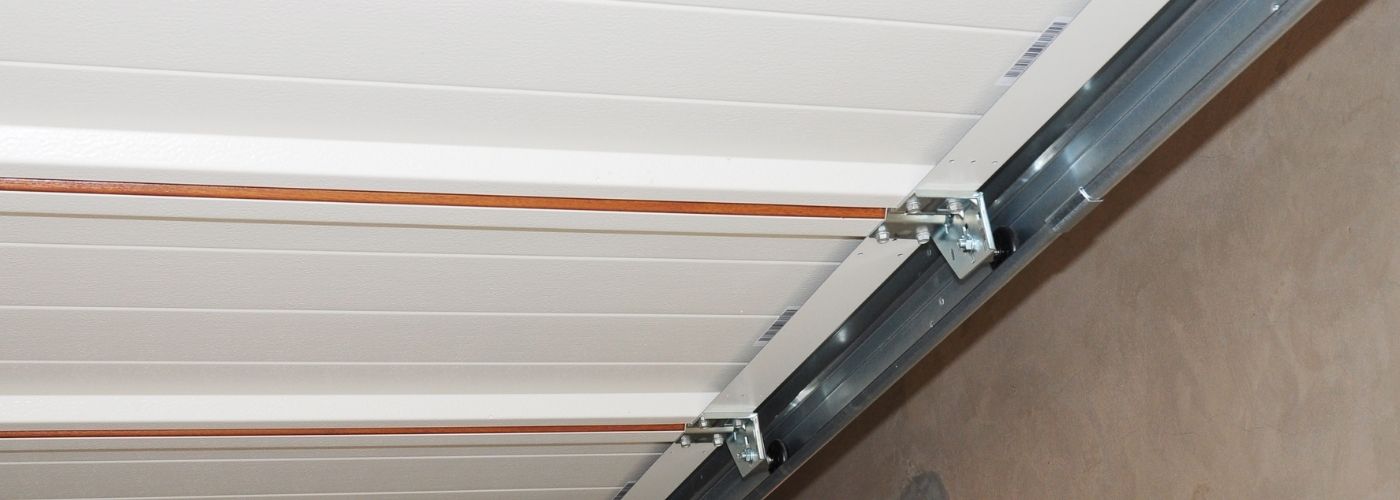
Your garage door should open and close smoothly without strange noises or uneven movement. When something feels off, the tracks are often the hidden cause.
This article goes over the common signs, causes, and solutions to help you understand when your garage door tracks need attention.
Warning Signs That Your Garage Door Tracks Need Realignment
Your garage door relies heavily on properly aligned tracks to function safely and efficiently. When garage door tracks need realignment, small issues can quickly turn into bigger problems that affect the entire system.
One of the first things you may notice is that the door no longer moves as smoothly as it used to. It might feel heavier, slower, or slightly out of sync as it opens and closes.
If left unchecked, these early warning signs can lead to complete door failure or even safety hazards for your household.
Misaligned tracks can put extra strain on other components like rollers and springs, causing them to wear out faster. Paying attention to subtle changes in how your garage door operates can save you from costly repairs later on.
Grinding or Squeaking Noises During Operation
Strange noises are another clear sign that your garage door tracks need realignment. If you hear grinding, squeaking, or scraping sounds when the door moves, it often means the rollers are not sitting correctly within the tracks.
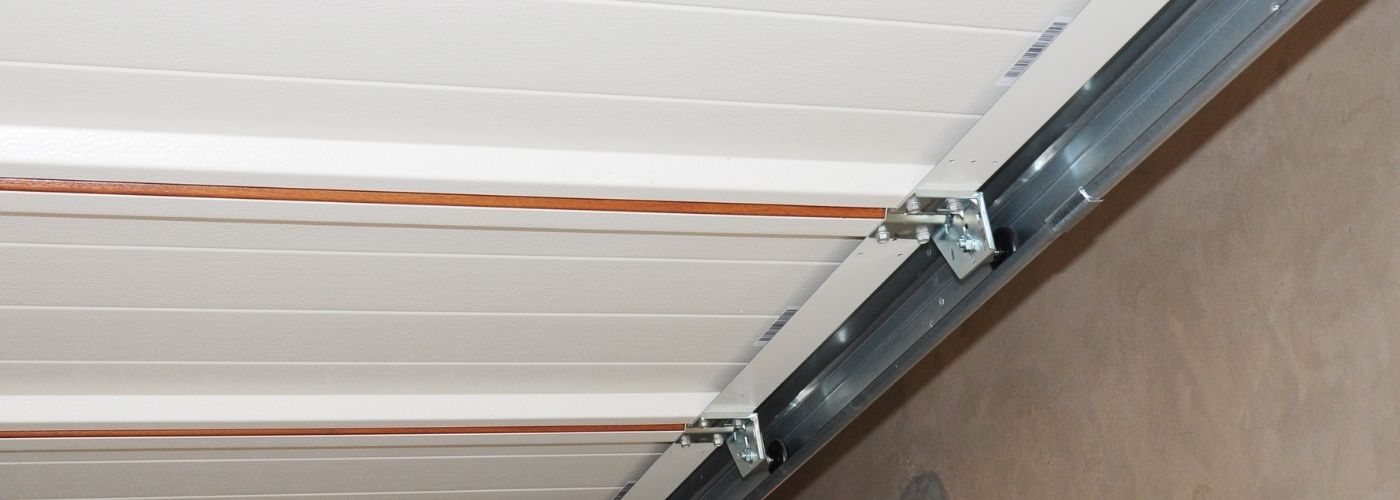
This misalignment creates friction, which leads to those unpleasant noises.
Ignoring these sounds can lead to more severe damage, as constant friction wears down both the rollers and the tracks themselves.
While some noise can be fixed with lubrication, persistent grinding usually points to a deeper alignment issue. Fixing the tracks not only quiets the door but also extends the life of the entire system.
Door Moves Unevenly or Jerks While Opening
One of the most noticeable indicators that your garage door tracks need realignment is uneven movement. Instead of rising smoothly, the door may jerk, tilt to one side, or hesitate during operation.
This usually happens when the tracks are slightly bent or shifted out of position, preventing the rollers from gliding properly.
An uneven garage door is more than just an inconvenience—it can quickly become a serious safety risk if it suddenly slips or gets stuck.
Over time, this jerky motion can damage other parts of the system, including the opener and cables. Addressing this issue early helps restore smooth movement and prevents further strain on the door.
What Causes Your Garage Door To Go Off-Track
Understanding why garage door tracks need realignment can help you avoid the problem in the future. One common cause is accidental impact, such as hitting the door with a vehicle or heavy object.
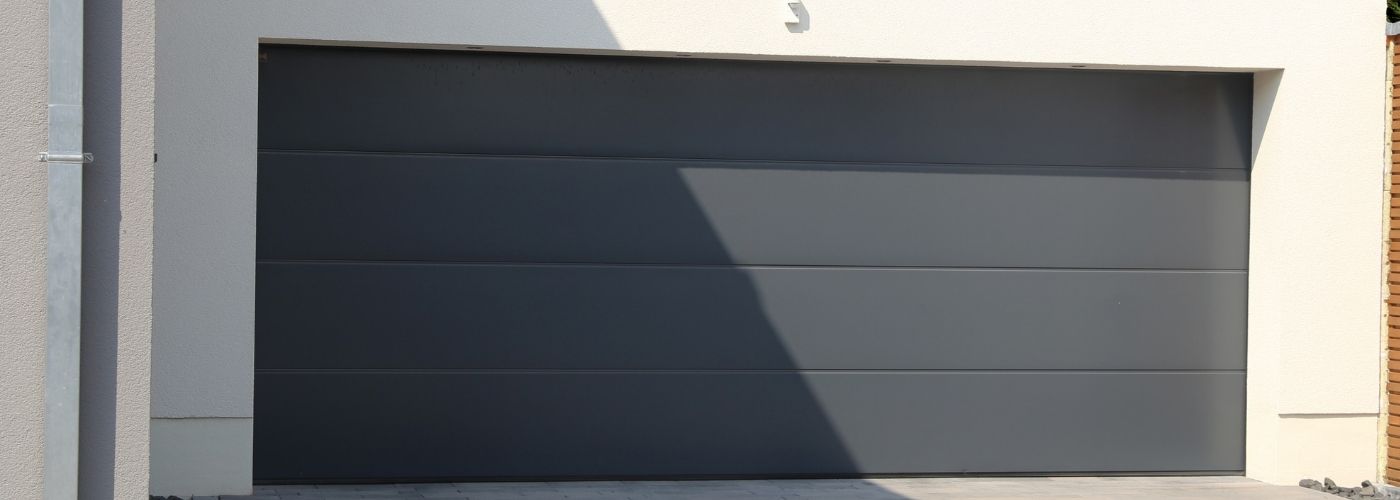
Even a small bump can shift the tracks enough to affect how the door operates. Over time, regular wear and tear can also loosen brackets and hardware, leading to misalignment.
Environmental factors like temperature changes and moisture can also weaken metal components, making the tracks more likely to shift or bend.
Dirt and debris buildup inside the tracks can further disrupt the rollers, causing them to jump out of place. Knowing these causes allows you to take preventive steps and maintain your garage door system more effectively.
How To Fix Your Garage Door Off-Track
When garage door tracks need realignment, it is important to address the issue carefully. Minor misalignments can sometimes be fixed by loosening the track brackets and gently tapping the tracks back into position.
After realigning, the brackets should be tightened securely to keep everything in place.
However, attempting major repairs without proper tools or experience can be dangerous, especially since garage doors are heavy and under tension.
In many cases, it is safer to call a professional technician who can inspect the entire system and make precise adjustments. A proper fix ensures the door operates smoothly and reduces the risk of further damage.
How To Prevent Your Garage Door From Going Off-Track
Preventing issues before garage door tracks need realignment is the best way to avoid costly repairs. Regular maintenance plays a key role in keeping your system in good condition.
This includes cleaning the tracks to remove dirt and debris, checking for loose hardware, and making sure the rollers are in good shape.
Routine inspections can catch small alignment problems early, helping you fix them before they turn into major repairs. It is also important to operate your garage door carefully and avoid hitting it with vehicles or heavy objects.
By staying proactive with maintenance and mindful usage, you can keep your garage door running smoothly for years to come.
