
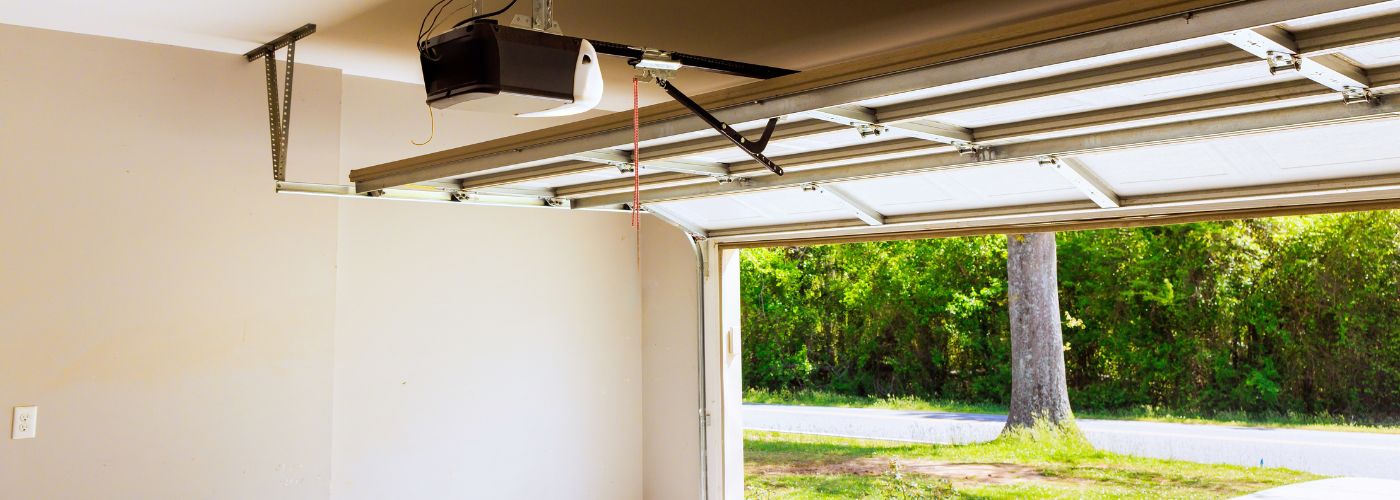
A grinding sound from a garage door can be more than an annoying noise. It can point to friction, worn parts, alignment issues, or an opener struggling to move the door; this article covers the common causes and what each problem may mean.
Common Reasons Your Garage Door Is Making a Grinding Noise
There are several possible reasons for a garage door making a grinding noise, and the sound may come from different parts of the system. A garage door depends on rollers, tracks, hinges, springs, hardware, and the opener working together.
When one component starts wearing out or moving incorrectly, the added friction can produce grinding, scraping, or other unusual sounds.
The timing of the sound can provide useful clues. Grinding that continues through most of the opening and closing cycle may involve rollers, tracks, or other moving hardware.
A sound coming mainly from the opener area may indicate a problem within the opener or its drive system.
Changes in the way the door moves, such as shaking, hesitation, or uneven travel, can provide additional clues about where the problem is located. Treat unusual noises as an early warning that part of the garage door system may need attention or repair services.
Worn Garage Door Rollers Creating Excess Friction
Rollers guide the garage door along its tracks every time the door opens or closes. Over years of regular use, rollers can wear down, become damaged, or stop rotating as freely as they once did.
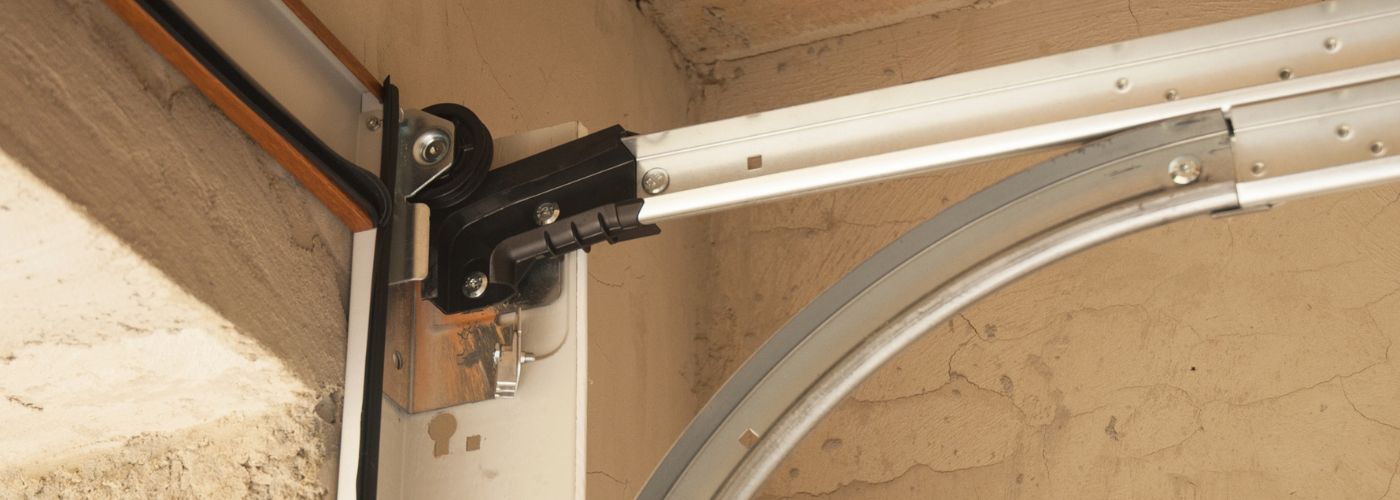
When this happens, they may drag instead of rolling smoothly. That added resistance can create a rough grinding sound and make the door feel less smooth during operation.
When a garage door making a grinding noise also shakes or vibrates as it travels, worn rollers are one possible cause. The roller surface, bearings, and connection points can all experience wear.
A damaged roller may also sit incorrectly in the track, increasing friction and stressing nearby hardware. These symptoms are among the most common garage door problems that can develop as moving components age.
A roller that no longer moves freely can affect more than the door’s noise. Continuing to operate it may place unnecessary strain on the tracks, hinges, and opener because the system has to work against added resistance.
Inspecting worn rollers early can help identify whether the problem is limited to one component or whether other parts have also been affected.
Damaged or Misaligned Garage Door Tracks
The tracks provide the path that allows the rollers and garage door to move between the closed and open positions. They must stay properly positioned so the rollers can travel without binding against the sides.
A bent, loose, or misaligned track can force a roller against metal instead of letting it move freely. The resulting contact can create grinding or scraping sounds.
A garage door making a grinding noise because of track trouble may also show other symptoms. The door might move unevenly, hesitate at a particular point, or appear slightly tilted while traveling.
Grinding can be one of several warning signs to watch for when the rollers are no longer traveling through the tracks correctly.
Don’t ignore track problems just because the door keeps opening and closing. Proper track alignment keeps the door’s weight and movement controlled throughout the entire operating cycle.
If the problem becomes severe enough for a roller to leave its normal path, the door may eventually come off the track and require more direct attention before it can operate normally again.
Dry or Poorly Lubricated Moving Parts
A garage door has numerous moving and pivoting components that repeatedly work under load. Hinges rotate as each door section changes position, rollers move through the tracks, and other mechanical parts move each time the system operates.
Proper lubrication helps suitable moving components operate with less friction. When lubrication wears away, movement can become louder and rougher.
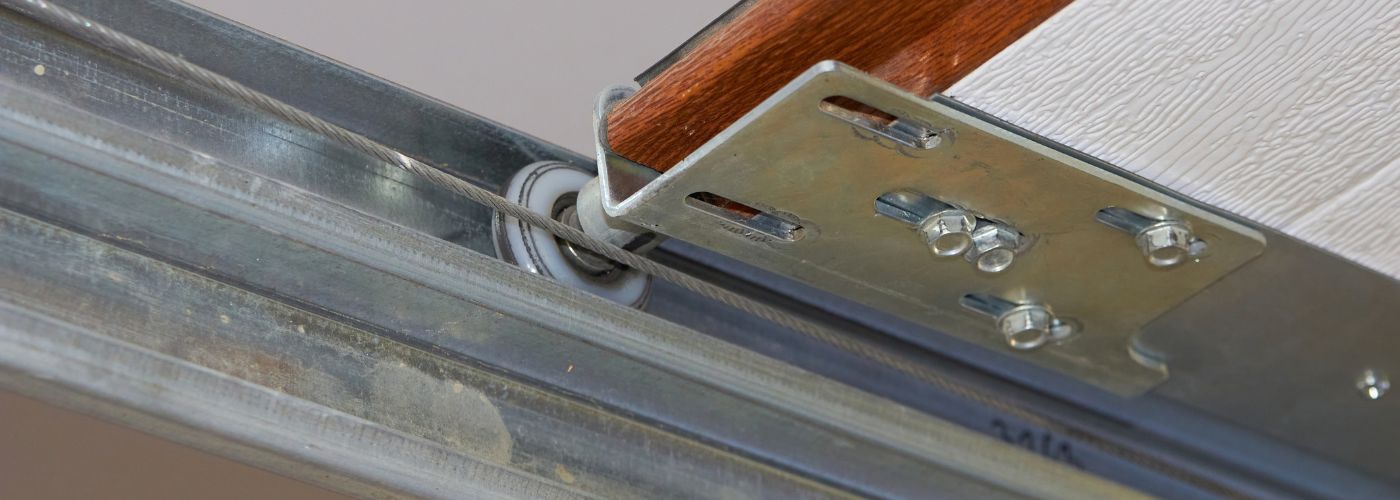
If a garage door making a grinding noise has gradually become louder rather than changing suddenly, dry moving parts may be contributing to the problem.
A dry hinge can make noise as it pivots, while roller bearings may get noticeably louder when they no longer move smoothly.
Dirt and debris around moving components can also cause rough operation, so maintenance involves more than simply adding lubricant wherever you hear a noise.
Lubrication works best as part of routine maintenance, not as a way to hide a mechanical problem. Lubrication alone won’t fix a bent track, damaged roller, or loose component.
Having the door checked as part of a regular tune up can also help uncover wear or adjustment issues that may be contributing to the noise.
Loose or Worn Hinges and Hardware
Garage doors contain many pieces of hardware that keep the sections connected and allow them to move together.
Hinges are especially important on sectional doors because they allow each panel to change angle as the door moves from the vertical tracks into the horizontal tracks. Repeated opening and closing creates vibration throughout these connections, and hardware can gradually loosen or wear.
When loose hardware contributes to a garage door making a grinding noise, the sound may change depending on the door’s position.
A worn hinge can bind as the panels move around the curved section of the track, while loose mounting hardware can allow components to shift slightly under load.
These small movements can cause metal contact, vibration, and noise that may initially seem to come from another part of the door.
It is also important to consider how individual components affect each other. A loose hinge can change how a panel moves, while worn hardware can place uneven pressure on rollers or other attachment points.
Finding the source of the movement is more useful than simply tightening every visible fastener without determining why it became loose. Hardware that repeatedly loosens may be reacting to another issue, such as vibration, poor alignment, worn rollers, or an unbalanced door.
Problems With the Garage Door Opener
Sometimes the grinding sound does not come from the garage door itself. The opener contains its own motor and drive components that help move the door.
Depending on the opener design, wear or damage inside the unit can produce grinding, rattling, or strained mechanical sounds.
A noticeable change in sound near the motor housing can therefore point toward the opener rather than the rollers or tracks.
A garage door making a grinding noise near the opener may also move more slowly, hesitate, or struggle during part of its travel. However, opener noise doesn’t always mean the opener is the original problem.
If the door has excessive resistance because of worn rollers, alignment problems, or another mechanical issue, the opener may have to work harder than normal to move it.
When the sound appears to be coming from the motor area, a closer inspection of the opener can help determine whether the unit itself is causing the problem or reacting to resistance elsewhere in the system.
Identify the source of a grinding sound before assuming that replacing or adjusting the opener will solve the problem. Looking at both the opener and the door’s mechanical movement makes it easier to understand what is creating the extra strain.
